Costco Caesar Salad Nutrition: What You Need to Know
You’re standing in Costco, clutching a rotisserie chicken in one hand and eyeing that giant Caesar salad kit in the other. You wonder, “Is this salad actually healthy, or am I about to eat a bowl of calories disguised as greens?” If you’ve ever felt that mix of hope and suspicion, you’re not alone. The truth about Costco Caesar salad nutrition might surprise you—and maybe even change how you shop.
What’s Really in a Costco Caesar Salad?
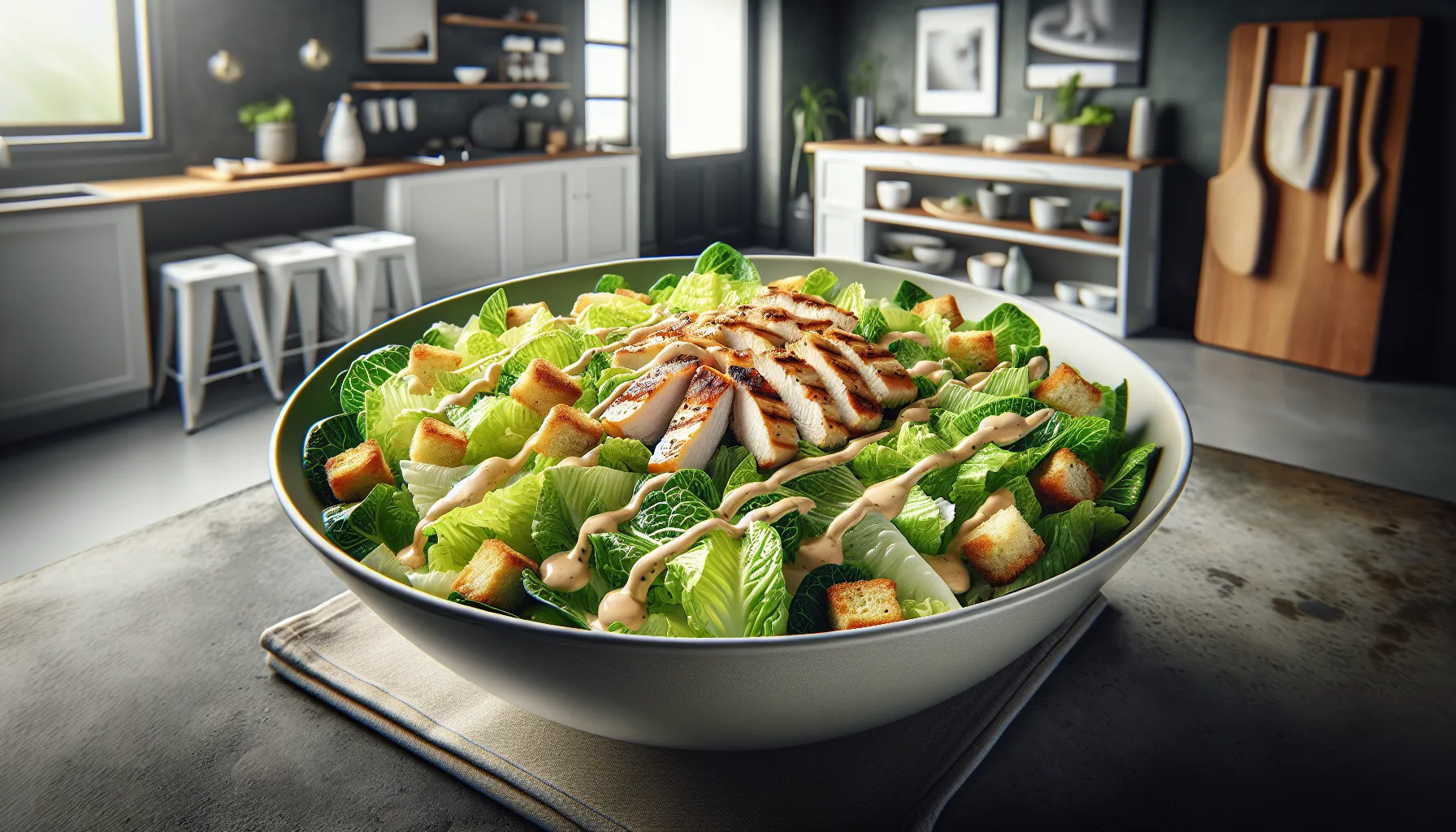
Let’s get specific. The classic Costco Caesar salad comes in a clear plastic clamshell, usually weighing about 1.5 pounds. Inside, you’ll find chopped romaine lettuce, shredded parmesan, crunchy croutons, and a generous tub of creamy Caesar dressing. It’s the kind of salad that looks like it could feed a small family—or one very hungry person after a long day.
But what’s hiding in those layers? Here’s the part nobody tells you: the nutrition facts can swing wildly depending on how much dressing and croutons you use. The kit’s label gives you numbers for the whole package, but most people don’t eat the entire thing in one sitting. Let’s break it down.
Costco Caesar Salad Nutrition Facts (Per Serving)
- Serving Size: About 1 cup (140g)
- Calories: 330
- Total Fat: 26g
- Saturated Fat: 5g
- Cholesterol: 20mg
- Sodium: 550mg
- Total Carbohydrates: 16g
- Dietary Fiber: 3g
- Sugars: 3g
- Protein: 6g
These numbers include the lettuce, croutons, cheese, and all the dressing. If you go lighter on the dressing, you’ll shave off calories and fat. But let’s be honest—most of us pour it all on. That’s where the calories sneak in.
How Does Costco Caesar Salad Nutrition Stack Up?
Here’s why this matters: Caesar salad has a reputation for being a “healthy” choice, but the dressing and croutons can turn it into a calorie bomb. For comparison, a fast-food cheeseburger has about 300-350 calories. Surprised? You’re not alone. The Costco Caesar salad nutrition profile puts it in the same ballpark, especially if you eat a big portion.
If you’re watching your fat or sodium intake, pay close attention. One serving delivers over 25% of your daily sodium and nearly 40% of your daily fat, based on a 2,000-calorie diet. That’s before you add extra cheese or chicken.
Who Should (and Shouldn’t) Eat This Salad?
If you’re looking for a quick, filling meal with some greens, the Costco Caesar salad can work. It’s great for busy families, potlucks, or anyone who wants to avoid chopping lettuce at 7 p.m. But if you’re on a low-sodium or low-fat diet, or you’re trying to lose weight, you’ll want to tweak how you serve it.
Here’s a tip: Use half the dressing, skip some croutons, and add grilled chicken for extra protein. You’ll cut calories and fat while boosting the nutrition. If you’re feeding kids, serve the dressing on the side and let them dip—kids love to dip, and you’ll control the portions.
What About the Ingredients?
Let’s get real. The lettuce is fresh and crisp, but the dressing is where most of the calories, fat, and sodium live. The ingredient list includes soybean oil, egg yolk, parmesan, anchovy, and a handful of preservatives. If you have allergies or dietary restrictions, check the label carefully. The croutons contain wheat and may have traces of milk or soy.
Some shoppers worry about preservatives or artificial flavors. While the salad isn’t organic, it’s free from trans fats and artificial colors. Still, if you want a “cleaner” salad, you might prefer making your own at home.
Costco Caesar Salad Nutrition: The Surprising Truth
Here’s the part nobody tells you: salads aren’t always the healthiest choice, especially when they come with creamy dressings and crunchy extras. The Costco Caesar salad nutrition numbers show that it’s easy to eat more calories and sodium than you planned. But you’re in control. You can adjust the portions, add lean protein, or swap in a lighter dressing.
If you’ve ever felt guilty after eating a “healthy” salad, you’re not alone. I’ve been there—thinking I made a smart choice, only to realize I ate more calories than a slice of pizza. The lesson? Nutrition labels matter, and small tweaks can make a big difference.
Tips for Making Your Costco Caesar Salad Healthier
- Use less dressing. Start with half and add more if you need it.
- Skip some croutons. They add crunch, but also carbs and sodium.
- Add protein. Grilled chicken, shrimp, or tofu make it a meal.
- Mix in extra veggies. Cherry tomatoes, cucumbers, or bell peppers add fiber and color.
- Serve on smaller plates. You’ll eat less without feeling deprived.
Next steps: Try these tweaks and see how you feel. You might find you enjoy the salad even more—and your body will thank you.
Final Thoughts: Is Costco Caesar Salad Right for You?
If you love convenience and crave a classic Caesar, the Costco salad is a solid pick. Just remember, the nutrition depends on how you serve it. If you’re watching calories, fat, or sodium, make a few simple swaps. If you’re feeding a crowd, it’s a crowd-pleaser that won’t break the bank.
Here’s the bottom line: Costco Caesar salad nutrition isn’t a mystery, but it does require a closer look. Read the label, trust your taste buds, and don’t be afraid to make it your own. After all, the best salad is the one you actually enjoy eating.